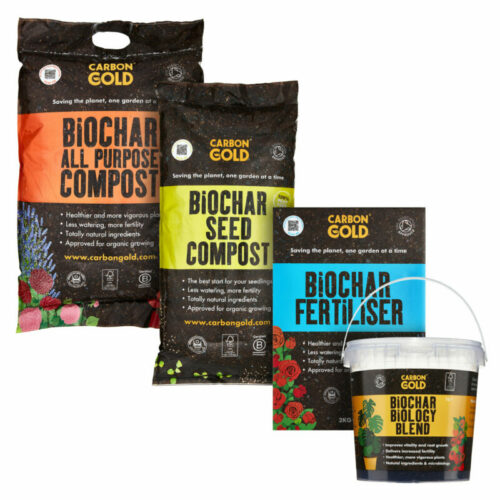
What is a soil improver?
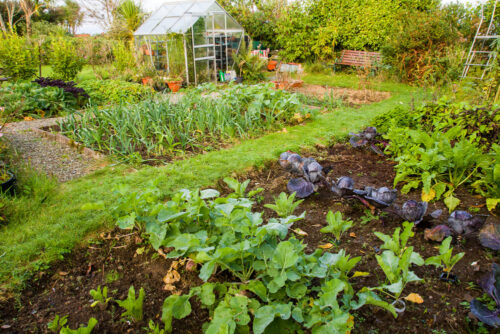
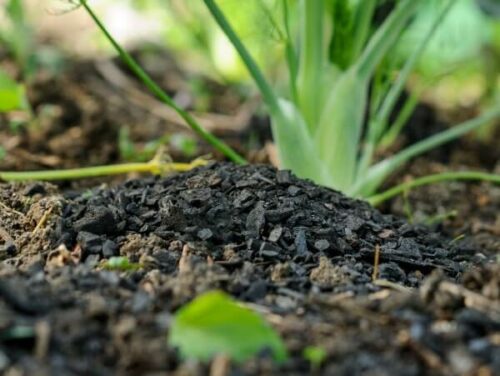
Our Soil Improver is a peat free formula soil amendment or soil conditioner comprising of organic matter that will improve structure by several means but include water holding capacity, nutrient uptake, and aeration. They improve the basic soil composition and improve soil structure whether the soil is a heavy clay soil or even a sandy soil..
What is an organic soil improver?
Actually “Organic” is a catch all term referring to a wide range of natural materials. Organic matter is sometimes referred to as ‘soil improver’ or ‘soil conditioner’ and the soil’s organic matter as ‘humus’. Our whole Biochar range is also rigorously audited every year and is certified as organic through the Soil Association and Biodynamic Association so you can be assured that there are no added chemicals to any of our products.
Organic matter in soils binds other soil particles into aggregates that can be penetrated by roots and hold moisture, provides binding sites for nutrients so they are not washed out of the soil by rainfall and as it slowly decays it releases plant nutrients to feed plants.
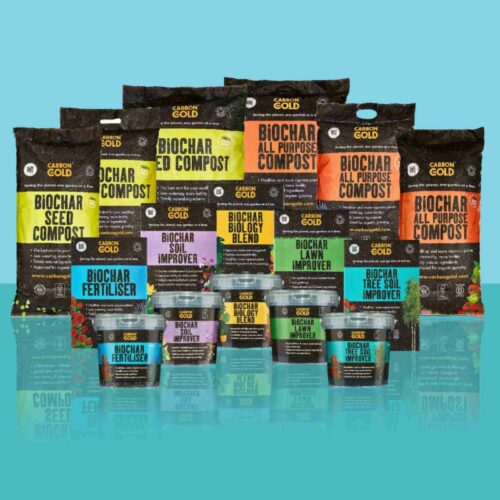
What is the difference between Soil Improver and Compost?
Compost is a type of soil conditioner, and the Carbon Gold compost is also peat free. It improves the physical properties of the soil. However, while it is almost always a beneficial soil amendment other soil improvers like Carbon Gold’s enriched biochar can improve specific soil qualities with better results as it is slower to break down and is a refugia (home) for the natural biology in the soil to live. Naturally composted organic matter is also great to use as a soil improver, and you could just buy Soil Improver and mix them together. Whether you have a sandy soil, or even hard clay adding biochar under the soil surface will improve the soil structure long term
Why use a Soil Improver?
Soil improver enhances and restores a range of natural properties within the soil.
Advantages include:
- Adds biochar and natural biology back to the soil
- Improves moisture retention, making water easily available for plant roots
- Increases nutrient retention by reducing nutrients leaching away from roots.
- Aids drainage by improving soil structure
- Breaks up heavy clay soils
- Helps reduce compaction of dense soils
- British sustainably sourced materials with no added chemicals
What is the best Soil Improver?
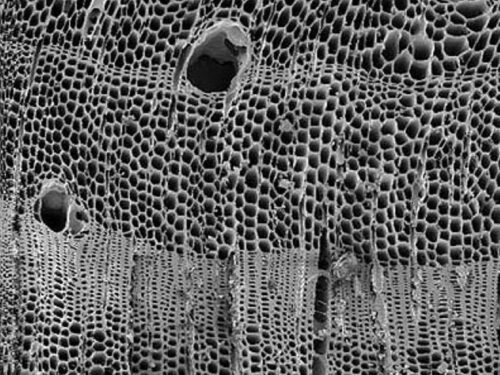
Of course, we are going to say that our Biochar Soil Improver is the best but allow us to explain why. Our products are made in the UK from UK sourced materials, the biochar is a combination of soft and hardwoods which are pyrolyzed (burnt) without oxygen which means that the pore structure of the biochar is maintained. This type of honeycomb, porous structure gives somewhere for the natural biology hide in the soil away from their natural predators. We also mix lots of beneficial forms of natural biology in our products which means that the enriched biochar gets to work straight away in the soil. Once our product has been added to the soil then it will last for centuries (and will continue to sequester carbon from the atmosphere to help climate change!) so you do not have to keep adding it in as you do with some other soil improvers.
How to use Soil Improver & how much Soil Improver do I need?
Our Biochar Soil Improver, as well as our Lawn Improver and Tree Soil Improver are simple to use and can be used in several ways.
- If you are starting new beds, you can dig it in to the topsoil in your garden and raised beds at a rate of 1kg per m2. Our soil improver can be purchased in sizes ranging from 1L which is perfect for adding to hanging baskets, right up up bulk bags of 1000 and 1500L. So no matter what you requirements we have an option for you!
- Existing planting areas, scatter around the existing plants and then either mulch over the top or alternatively rake over the surface to get the natural biology under the surface of the soil as it reacts to light.
- Planting out – our Biochar Biology Blend is easy to use, just dust the roots of the seedlings in the product and plant out. All the natural biology is around the roots of the plants and will get off to the thriving start.
- Biochar Lawn Improver can be used to patch repair your lawn or for putting under new turf, in the same way as the Soil Improver.
- For trees putting the Tree Soil Improver in the bottom of the planting hole is the best way to use it. Obviously, the amount you will require will depend on the size of the tree you are planting, so contact us to find out how much you will need.
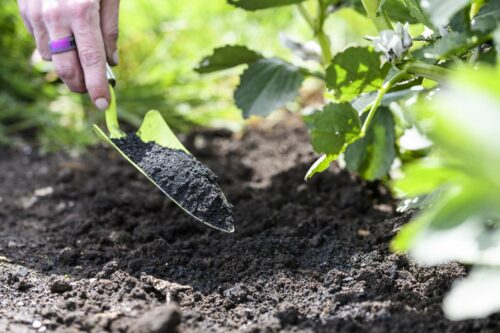
When to add Soil Improver?
Soil Improvers can be added at any time of year although we would suggest that either the spring or in the autumn would be the optimum times to add them into your garden.
Stay in the know
Subscribe to the mailing list to keep up with new products & industry developments. Don't worry... we don't like spam either.
Article Tags
how to plant a treelawn repairsoil improverShare This Article
Related articles

Brimstones, Buckthorn and Bluebells
Category: FAQs, Gardening Tips, Guides
Butterflies in February?! It was only a couple of weeks ago that the country was hunkering down beneath an onslaught…
Read More 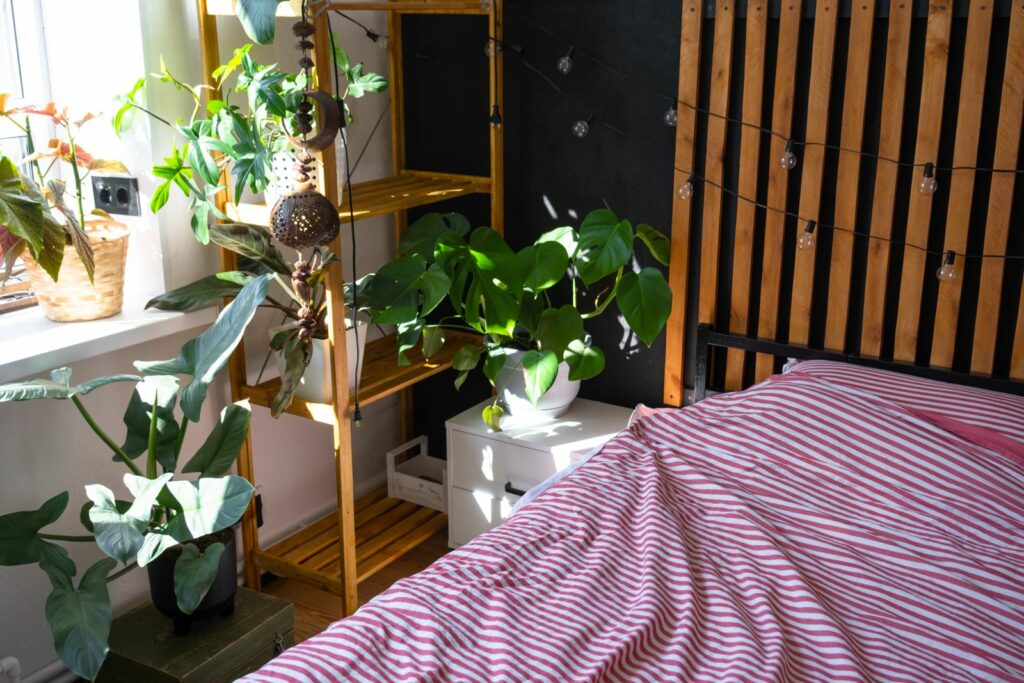
Houseplants in the Bedroom
Category: FAQs, Garden and Home, Guides
We all know that houseplants have a huge positive impact on health and wellbeing – both physically and mentally. They…
Read More 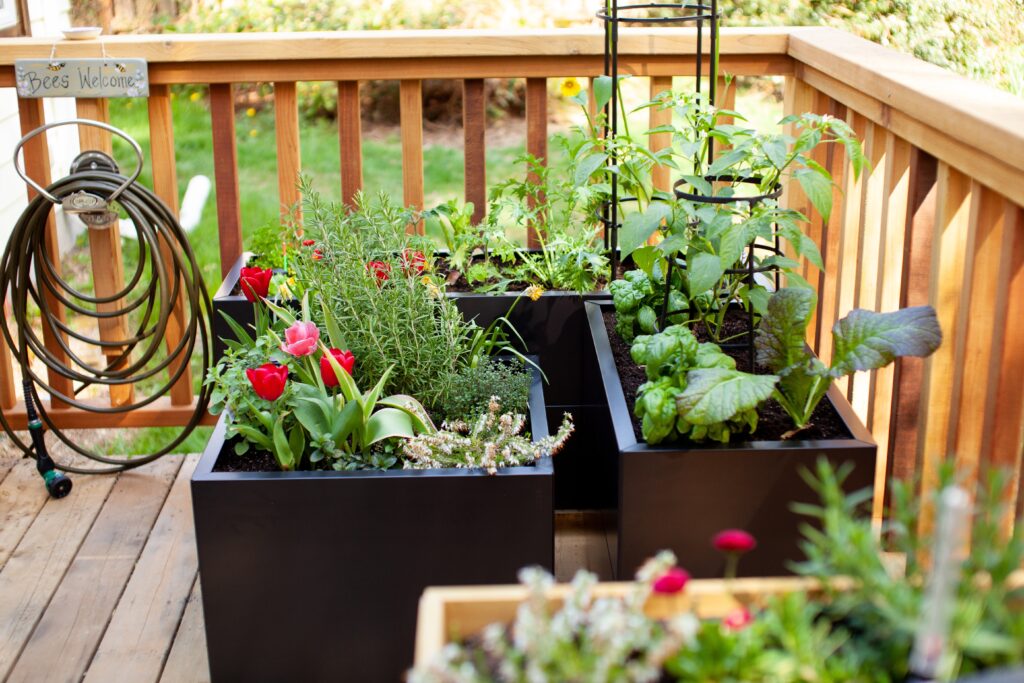
The Urban Gardener's Enchanted Chronicle: The Marvel of Balcony Gardening
Category: Gardening Tips, Growing Guides
Picture this: with a simple flick of your green thumb, your urban space metamorphoses into an enchanting garden. This vision…
Read More