The biochar industry is growing faster than it has in twenty years. Demand is up. Specifications are calling for it. The conversation has moved from “what is biochar?” to “where do I get it?”
That is mostly good news. What concerns us is the question that is not being asked often enough: what is this biochar actually going to do in the ground?
What plain biochar does in its first season
The peer-reviewed science on biochar in soils goes back six decades, building on terra preta sites in the Amazon that have stayed productive for more than two thousand years. Plain biochar is essentially inert carbon: porous and long-lived, but biologically empty.
In its first season in soil, plain biochar behaves like a dry sponge. It pulls in water, nitrogen and beneficial microbes from the surrounding soil and locks them inside the char structure rather than making them available to the plant. It only begins delivering benefit once it has been charged with biology and nutrients in situ, a process that can take a year or more.
In a newly planted street tree or a freshly established sports surface, that is exactly the wrong time to be borrowing from the rootzone. By the time plain biochar is contributing anything useful, the tree or turf it was meant to support may already be struggling.
How biochar for tree planting should work
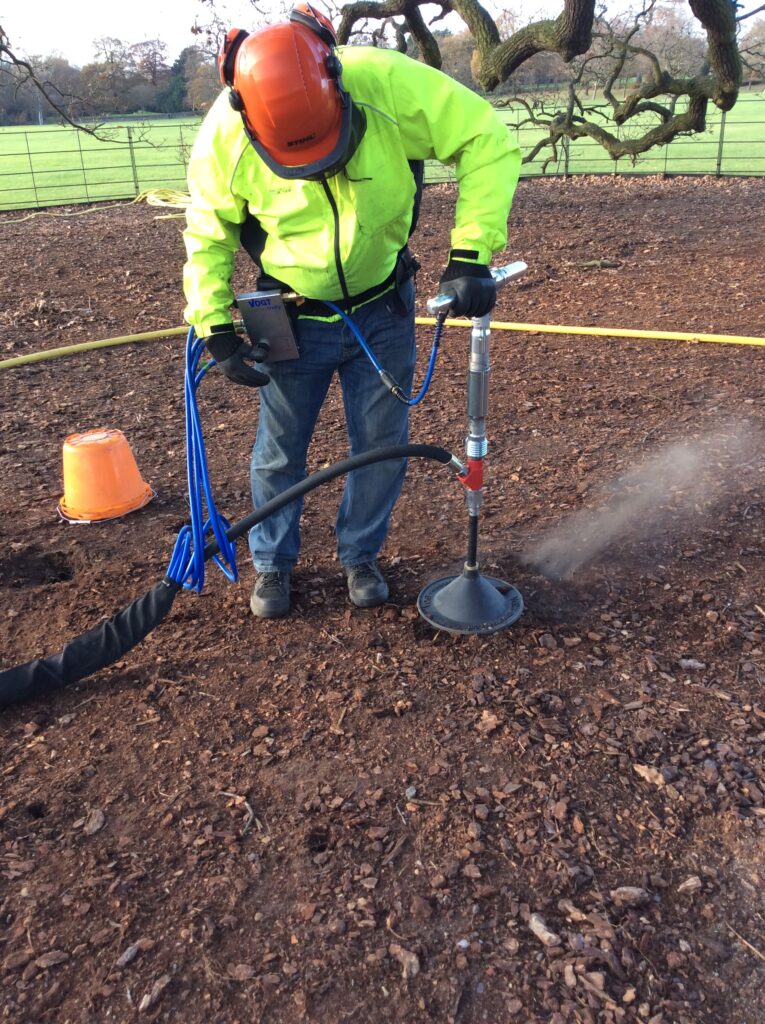
Inoculated biochar closes that gap. Carbon Gold biochar arrives pre-charged with a proprietary blend of mycorrhizal fungi and beneficial bacteria, so the sponge effect does not occur. Instead of pulling biology from the soil, it introduces it from day one.
Those mycorrhizal fungi form a symbiotic relationship with the roots and effectively extend the root system many times over, improving nutrient uptake, water retention and stress tolerance from establishment. The carbon is the scaffold. The biology is what does the work.
The evidence: Stockholm, the Netherlands and twenty years of UK trials
Stockholm pioneered the enriched biochar approach in urban tree planting twenty years ago. Carbon Gold Tree Soil Improver was the biochar used in the original Stockholm tree pit trials, and the method is now specified by cities across Europe.
The most rigorous head-to-head proof came from a four-year trial in the Netherlands. Nationale Bomenbank and Terra Nostra compared Carbon Gold enriched biochar, plain biochar, and standard Amsterdam tree soil across matched plantings.
Carbon Gold enriched biochar won every measure:
- 1,028 metres of root per tree, against 706 metres for plain biochar and standard soil.
- 11% nutrient loss from the rootzone, against 40% in the control plots.
- Less stress and disease incidence, and stronger growth from year one.
The Dutch urban tree industry now uses the enriched system as standard. Bomenbank supplies it under the Lifechar brand. The same principle applies in street trees, glasshouse propagation, sports turf and commercial growing.
The question to ask at specification stage
When you see “biochar” on a quote sheet or in a specification, the question is not whether it is biochar. It is whether it is going to feed the soil, or feed off it.
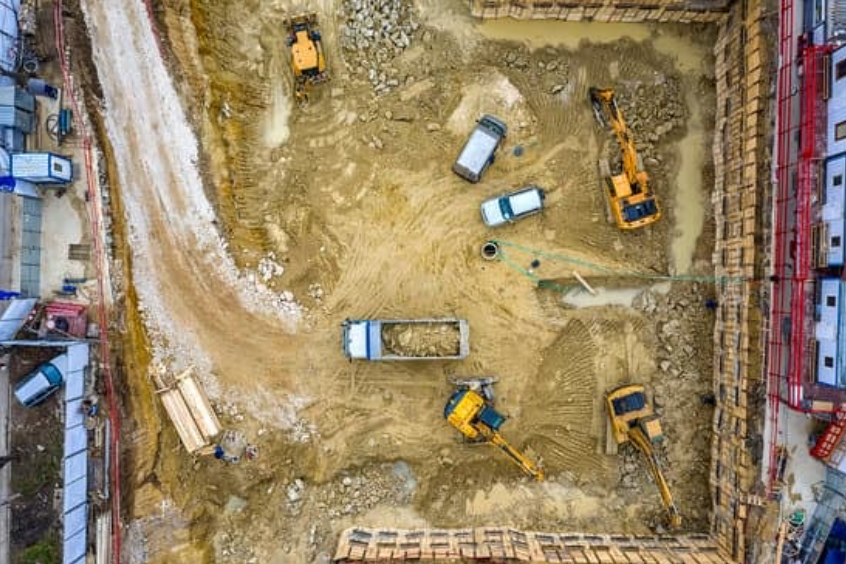
That distinction matters most when the planting is new and the rootzone has no established biology to draw on: post-construction landscapes, urban tree pits, BNG delivery schemes and newly laid sports surfaces. These are exactly the conditions where plain biochar performs worst and enriched biochar performs best.
The research base behind this is decades older than Carbon Gold. The answer has never been clearer.
Want to know more? We are CPD accredited and offer webinars about biochar of follow me on LinkedIn